What neither side contains
The Thaumotrope
I turn a disc and a relationship appears. Four pairs of drawings let you wind, separate, and change what the two sides bring into view.
Take the stringAn interactive essay and a table of discs
The frames we live in shape what we see, what we believe, and who we can become.
These works emerge from a year of lived research and a much longer practice in First-Person Experience Design: making room for many selves, many times, and many ways of being in one world.
Explore the collectionWatch the film and read the research proposal
From Carmen et Error: Manual for Navigating Multiplicity
The dialogue holds steady while its meaning changes. Moving between three windows makes the frame itself available to experience.
The chapter names this project directly: one script can sustain different worlds, and a shift of attention can reveal the frame.
Looking, dwelling, and returning compose a path through material that shares one space.
From Carmen et Error: Manual for Navigating Multiplicity
The painting stays still while its reading turns. Arch and sail share a rhyme of form and purpose across one continuous sea.
Aspect-seeing offers a precise way to discuss the change: the image remains, while what becomes figure or background shifts.
This study introduces the design problem Windows develops: what can remain continuous while the surrounding interpretation changes?

Three windows. One conversation.
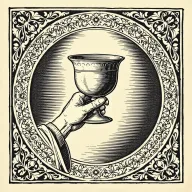
Begin with The Hinge — Rob GonsalvesWhat neither side contains
I turn a disc and a relationship appears. Four pairs of drawings let you wind, separate, and change what the two sides bring into view.
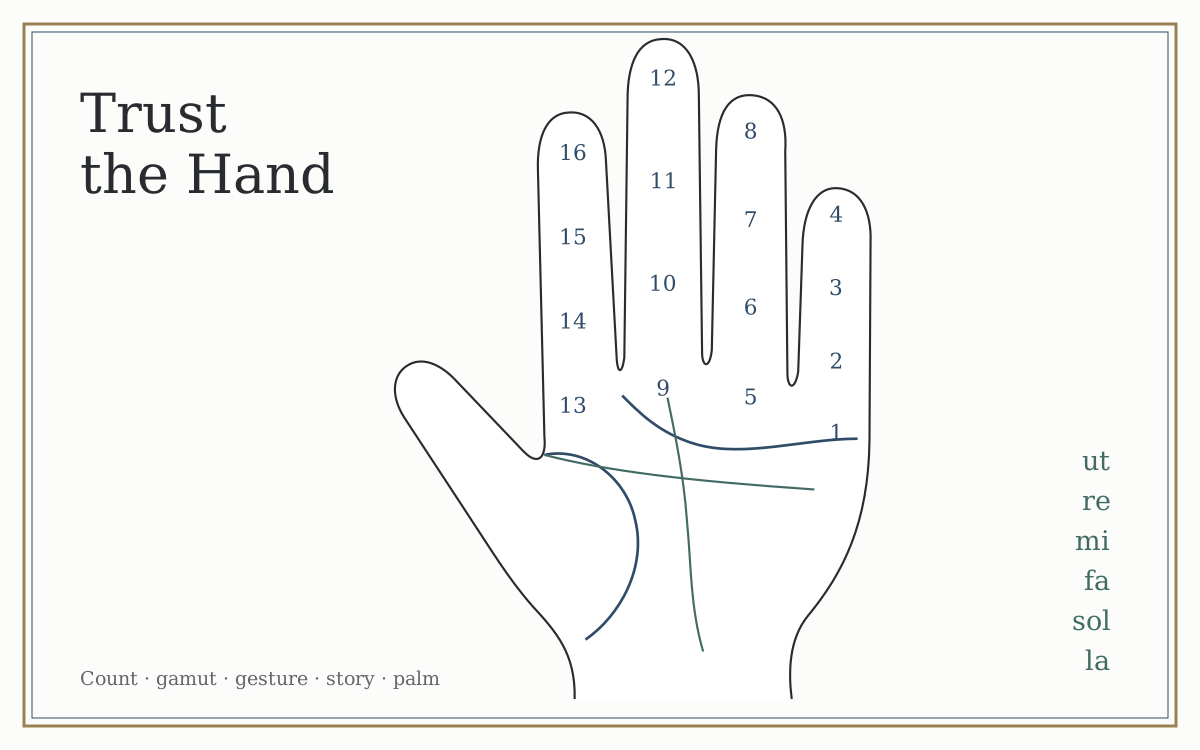
Count · gamut · gesture · story · palm
Count a rhythmic cycle, play the gamut, answer a gesture, compose a phrase with mudras, or follow the lines of a palm. Five studies of the hand as an interface.
From Carmen et Error: Manual for Navigating Multiplicity
Count rhythmic cycles, play a Guidonian pitch map, and explore a historical palm-reading diagram. Each practice gives the hand a different notation.
Learned routes and named lines make the hand legible in different ways. The companion explores relations between bodily technique, notation, and interpretation.
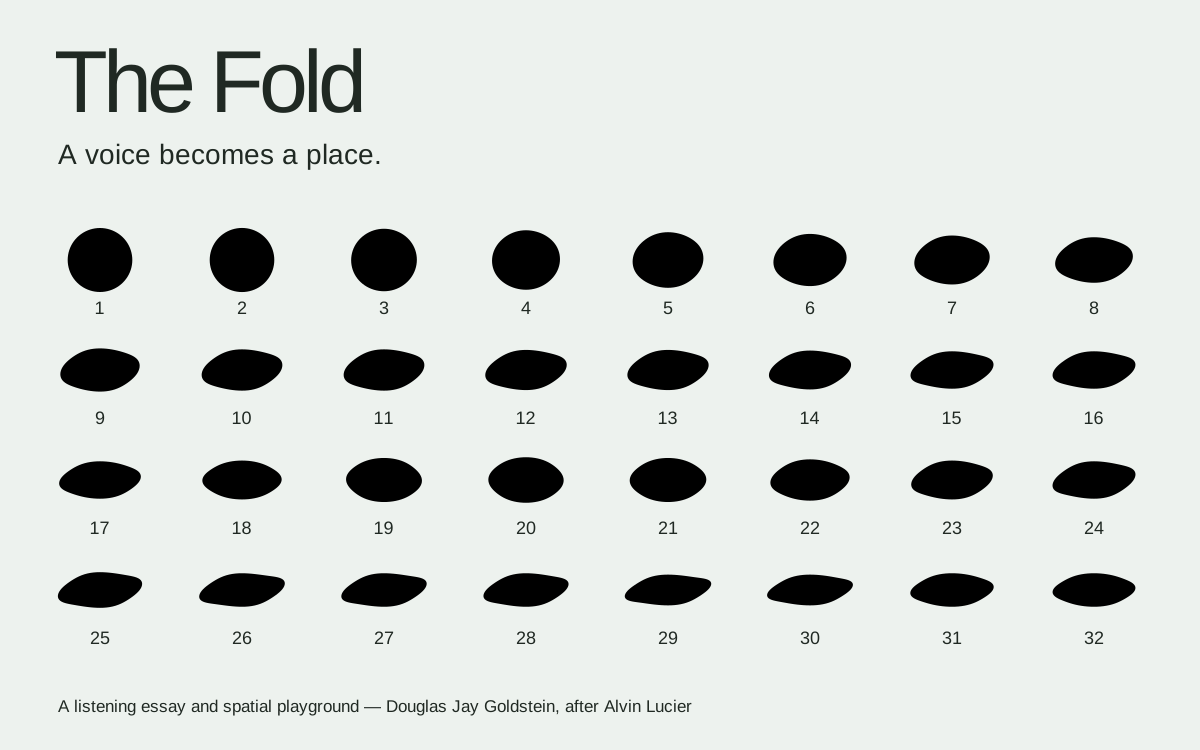
After Alvin Lucier
I’ve been exploring sonic ghosts since 2020. Here I give thirty-two transformations of Lucier’s voice a place, and invite you to approach, linger, rearrange, and return.
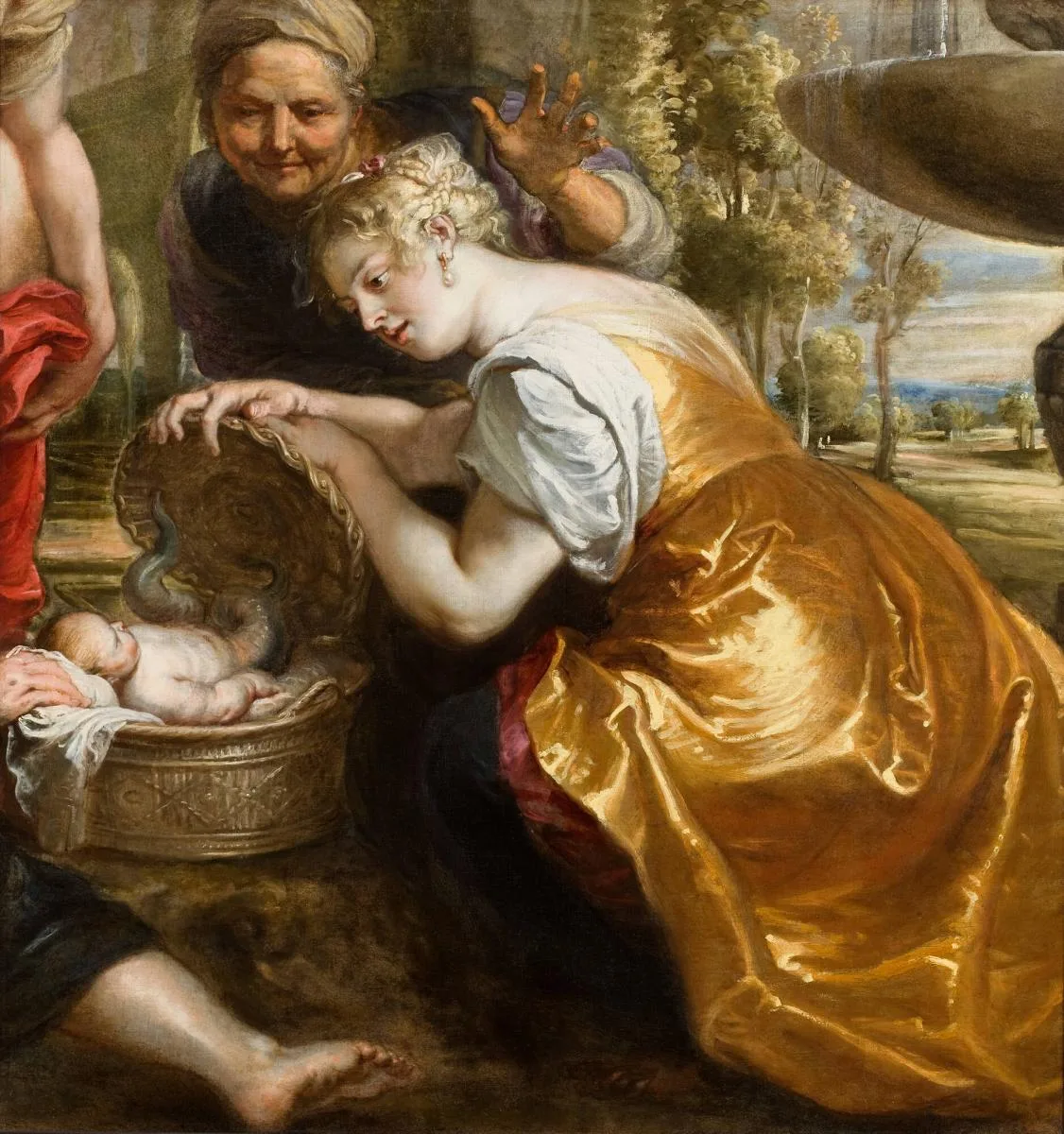
The Finding of Erichthonius
Beneath a familiar painting: a hidden child, a myth, and a passage through layers of memory.
From Carmen et Error: Manual for Navigating Multiplicity
A painted surface opens into myth, place, and ritual. Returning to the painting means meeting the same image with a different history.
The chapter’s Arrhephoria passage is a direct source: carrying, enclosure, and passage give the ritual its form before its contents are known.
The recovered image gives another form to the palimpsest: different histories remain available in one place instead of replacing one another.
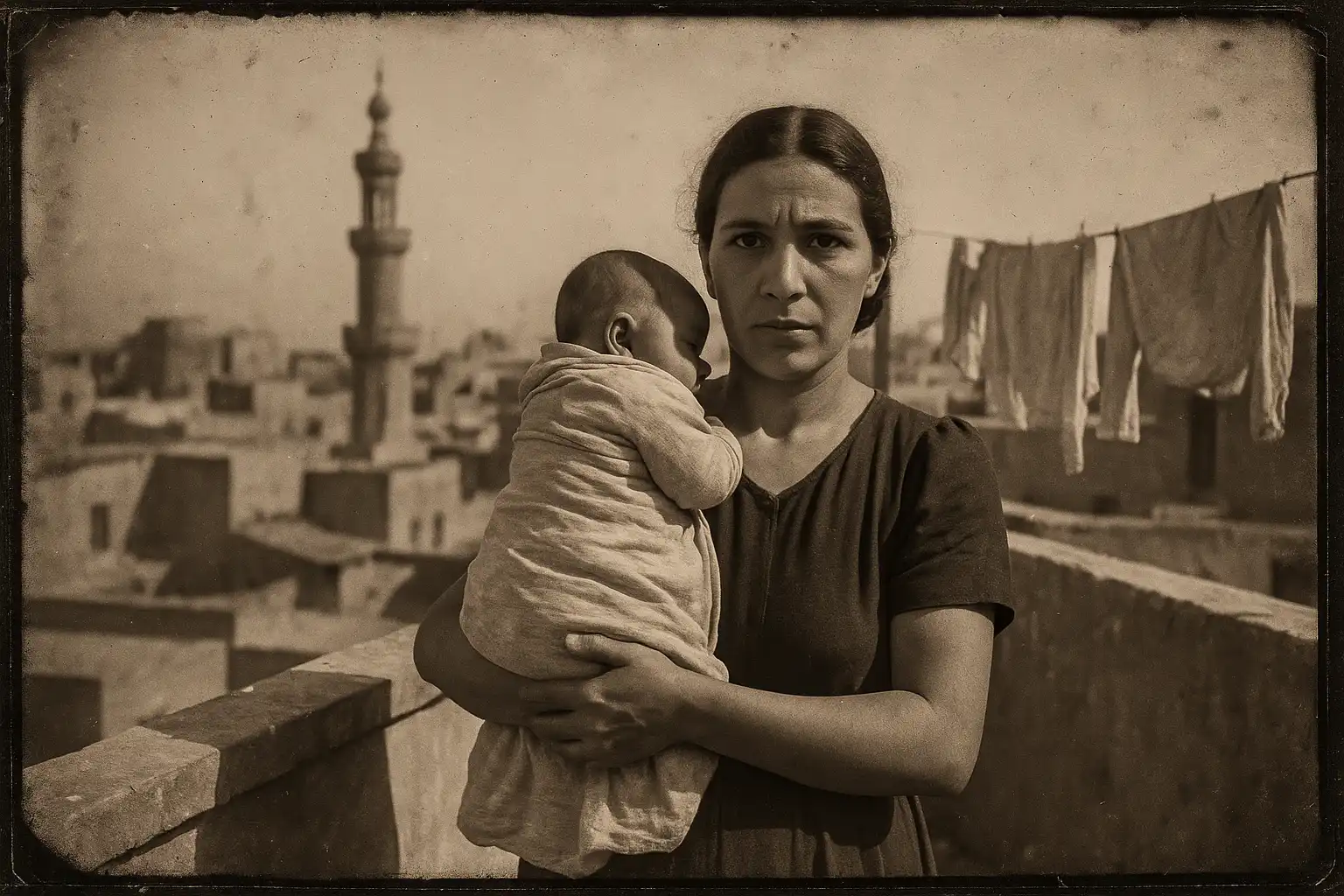
Dorothy Eady / Omm Seti
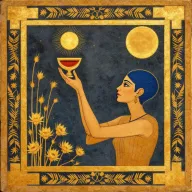
One life between here and elsewhere. A hand in water, a hand in sand; the place remembered and the place inhabited.
From Carmen et Error: Manual for Navigating Multiplicity
A hand in water answers a hand in sand. Gesture and place let two lives, two times, and two claims of home occupy one experience.
Remembered and inhabited worlds overlap. Dorothy Eady’s account gives this question a biographical form without resolving the status of her memories.
The garden and the desert make time perceptible through a place; the hand carries the passage between them.

A joke in more than one telling
Two people see the same gestures and inhabit entirely different stories. A joke about the frames we bring with us.
From Carmen et Error: Manual for Navigating Multiplicity
The gestures are shared; the rules for reading them are not. The joke lets us inhabit each account before seeing the mismatch.
A gesture gains its meaning within a practice and a form of life. The same sign can therefore perform different acts for its two readers.
The chapter traces shifts between frames through Calvino, Carroll, and the pun. Here, the second telling makes an interpretation turn without changing the original exchange.
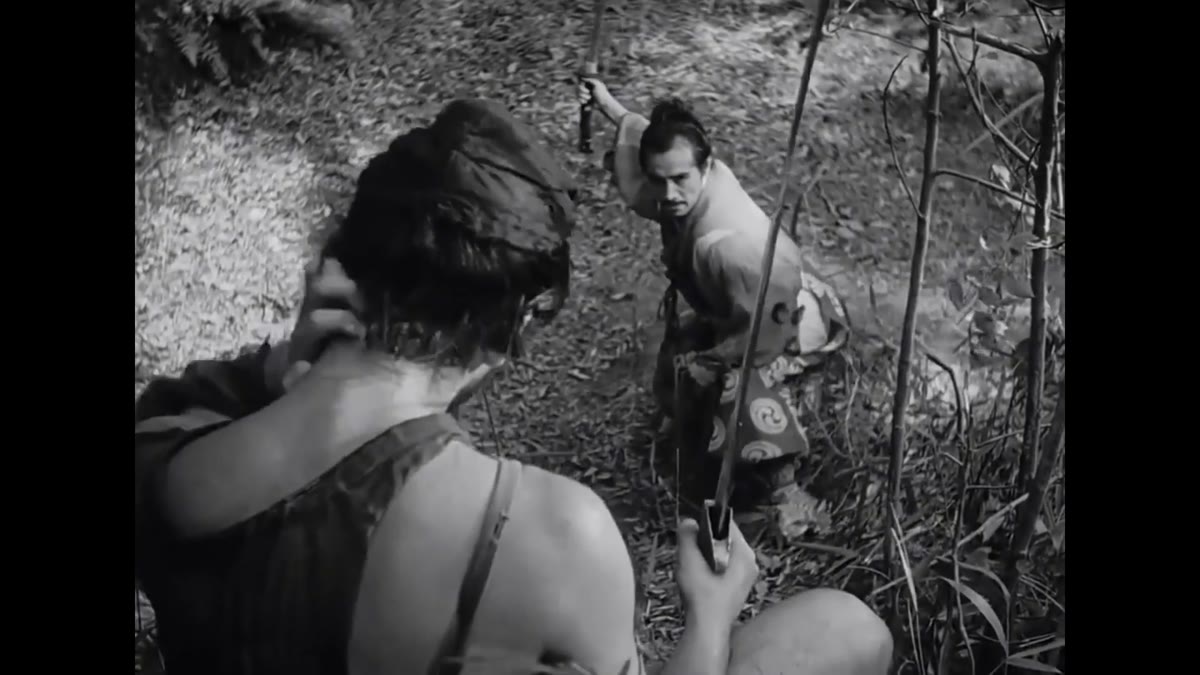
After Rashomon
One death, four accounts. Where you turn and what you listen to become part of the telling.
From Carmen et Error: Manual for Navigating Multiplicity
Four accounts of one event remain in conflict. Turning toward one voice foregrounds it while other tellings continue beyond your attention.
This is the chapter’s named case: preserve the tension between situated accounts without treating their incompatible claims as equally true.
The room makes attention consequential. Its record of your route lets you return to what you followed and what was happening elsewhere.
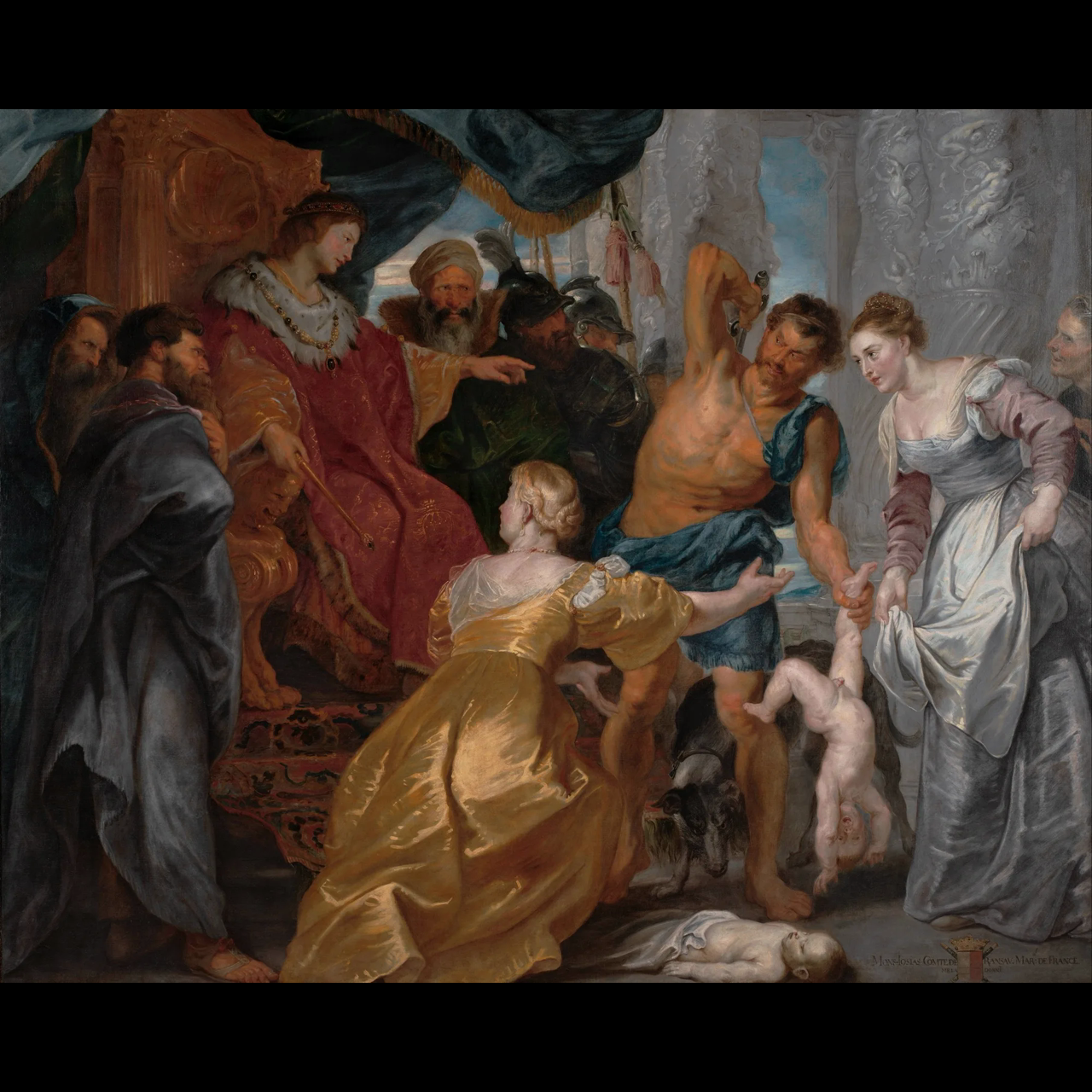
Two appeals for justice
A half-turn changes the court, the complaint, and the terms of judgment. Cross through the image and take the seat.
From Carmen et Error: Manual for Navigating Multiplicity
Two appeals to royal judgment expose different conditions for justice. A half-turn changes the world in which the judge must answer.
The chapter moves from the Solomon position to the siege of Samaria. The question is what shared ground a judgment needs, and what happens when that ground fails.
Court and siege give action different possibilities. Space and historical circumstance are part of the meaning of the appeal.
39 games of thought
Pull a thought apart. Make an echo. Break an expectation. Each rhetorical device becomes its own game of rhythm, space, logic or meaning.
Twelve ways through one night
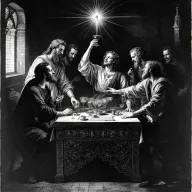
A shared ritual holds many worlds around one table. Fifteen moments unfold across twelve interpretations.
From Carmen et Error: Manual for Navigating Multiplicity
Fifteen ritual moments hold twelve interpretations together. Participants can keep the same place in the sequence while inhabiting different worlds of meaning.
The chapter discusses the Seder directly: a stable ritual lets different readings coexist, and lets a present participant speak from an ancestral past.
The order of actions provides more than procedure. A shared act can carry commitment, memory, and transformation for those performing it.