The
Cleaning
Look at her hand.
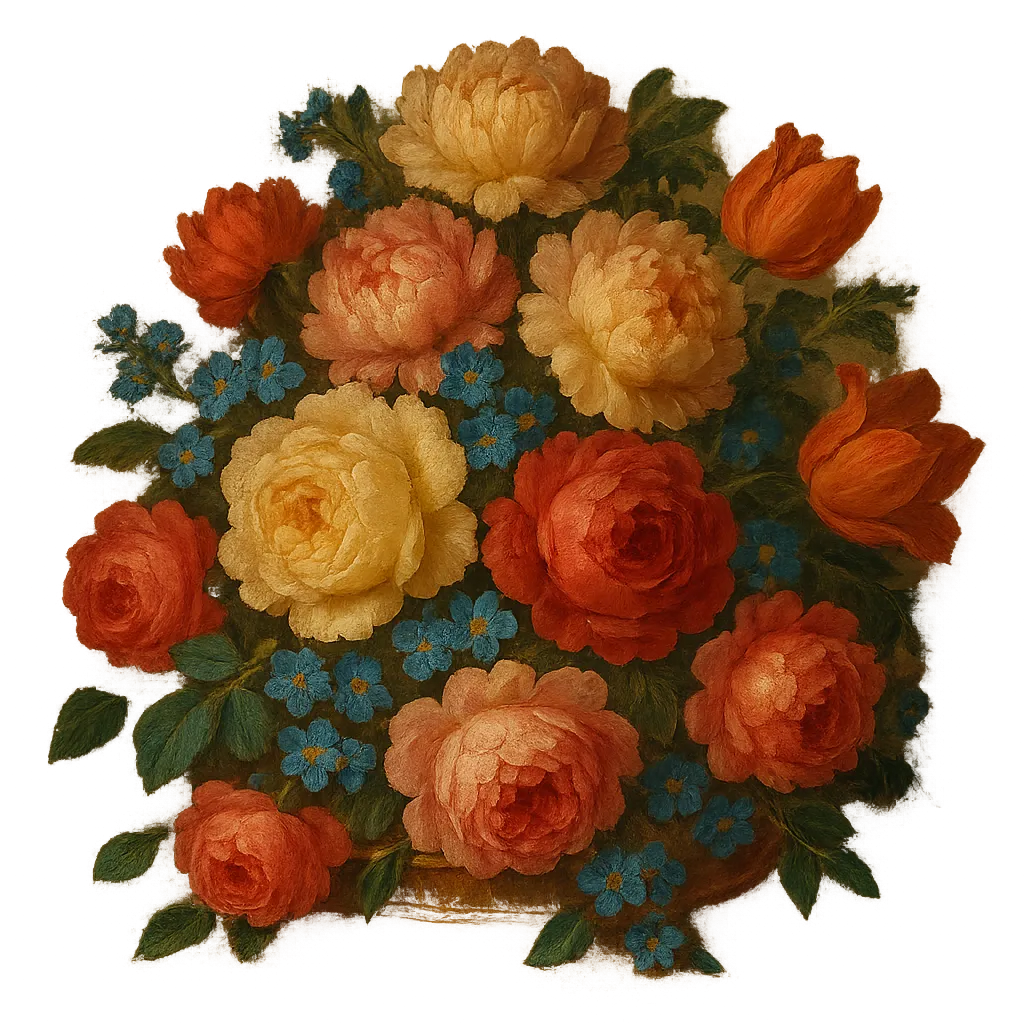
A young girl with flowers.Imagined overpaint
Paris, 1786
A girl.
A basket.
Flowers.
That was the picture offered for sale. Its edges had been cut away. Blossoms covered what she held.
A recognition, 1939
Someone
remembered
another picture.
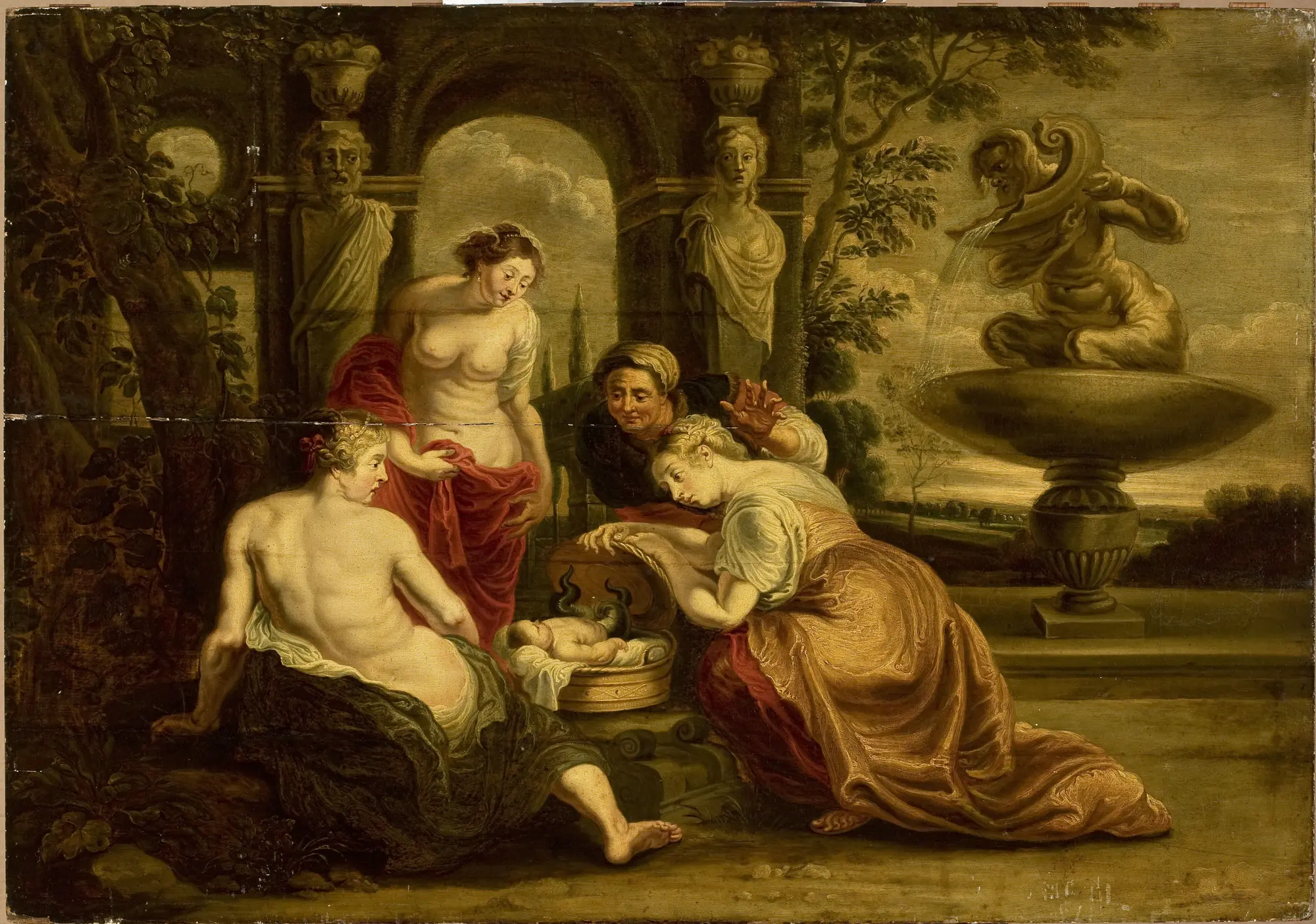
Ludwig Burchard recognized the composition from a print after Rubens. He suggested cleaning it.
Beneath the flowers
A child.
Her hand is lifting a lid.
Follow the child into Athena’s care ↗The painting’s recorded historyMove your hand across the flowers.
Imagined overpaint over the surviving RubensAt the basket’s edge
Her hand survived.
Most of her body did not.
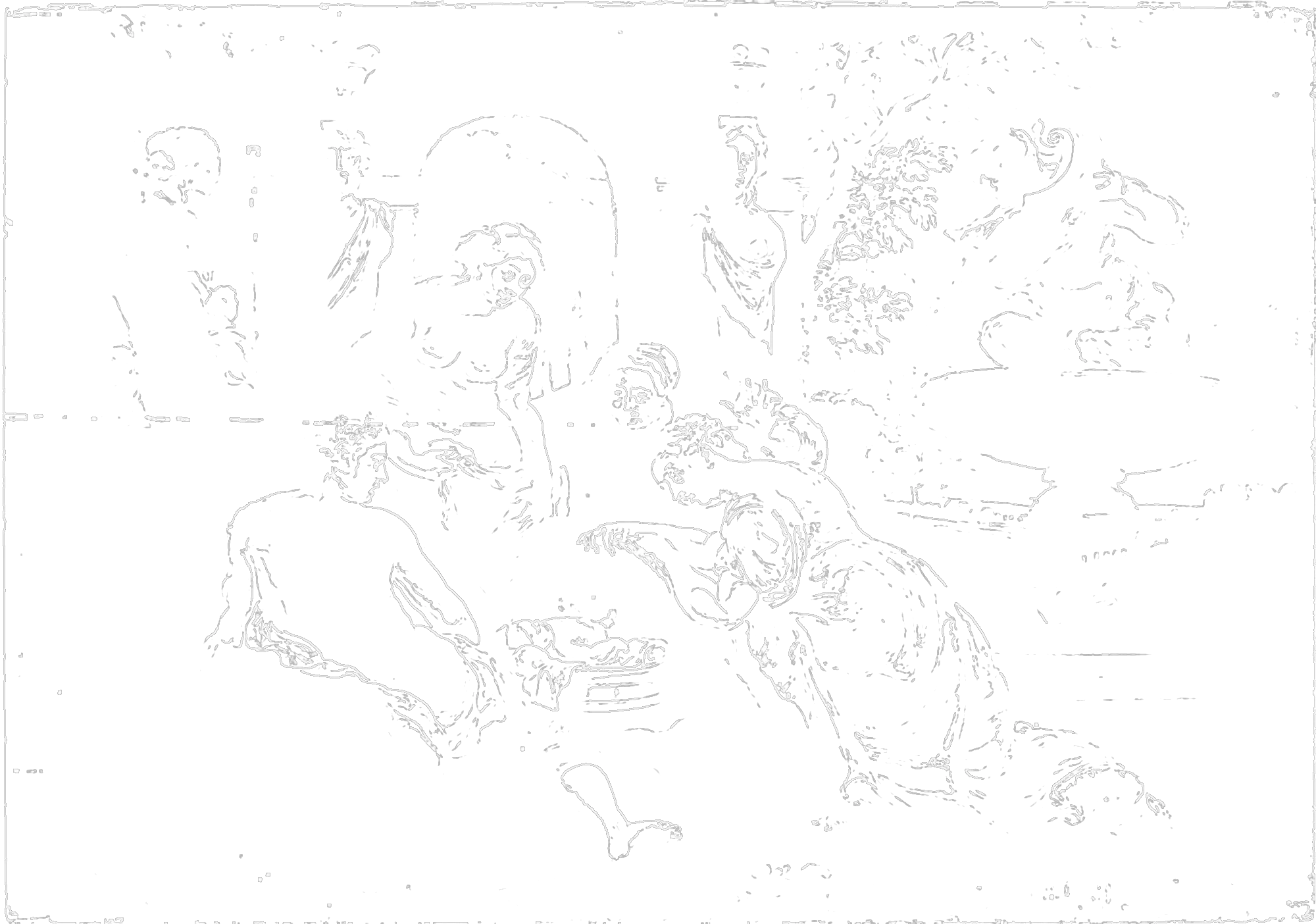
The lost margins, traced from a copy
Beyond the cut.
A body takes shape around the surviving hand.
The reclining sister
Pandrosos.
The sister Pausanias calls faithful to what was entrusted.
Enter the company beyond the cut ↗Her surviving hand, in Oberlin’s catalogueThe surviving Rubens · fingers at the cut left edge
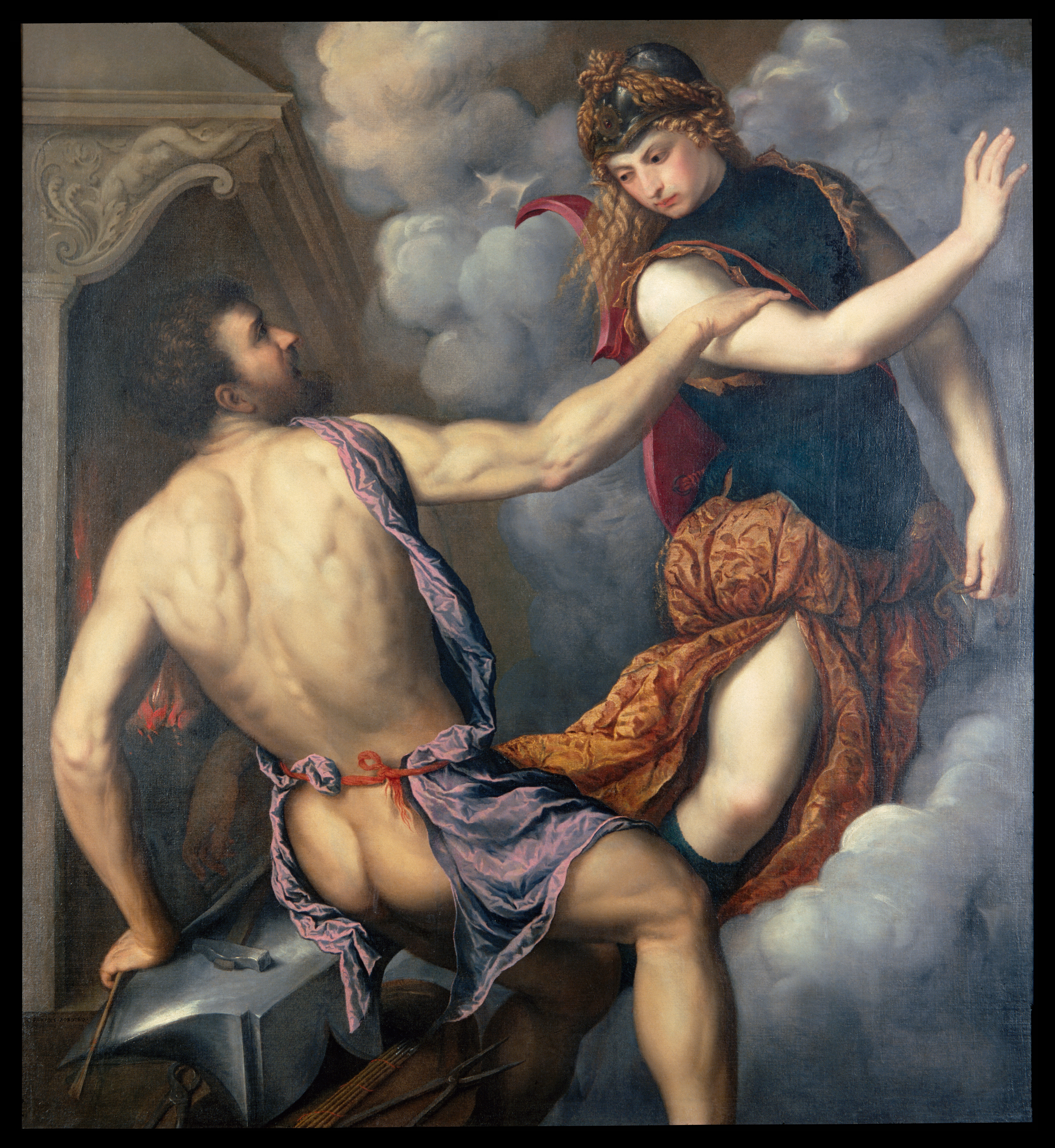
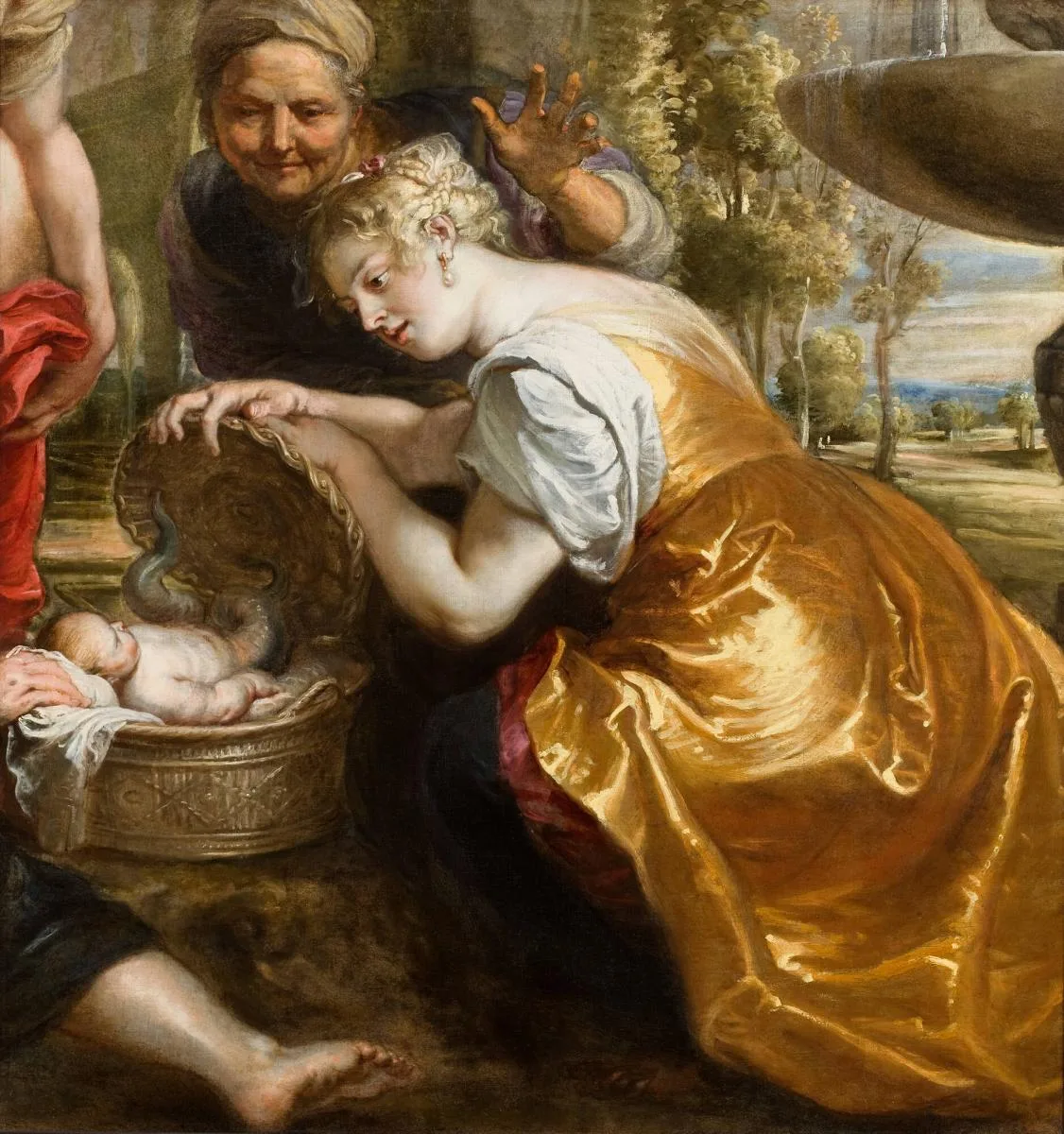
Apollodorus 3.14.6 · before the basket
She wipes
it away.
Hephaestus tries to force himself on Athena. She resists. His semen falls on her leg; she wipes it off with wool and throws it to the ground.
Autochthony · earth-born
The earth
bears the child.
Erichthonius is born from the ground. Rubens paints him with serpent legs. Athena takes the child into her care.
The child in Athena’s care
In secret.
She means to make him immortal.
She raises him unknown to the other gods.
The child is entrusted to the sisters
Keep it
closed.
Athena places him in a covered vessel.
They must keep it without looking inside.
The moment Rubens paints
Aglauros
lifts the lid.
In the tradition Pausanias tells, Pandrosos alone keeps faith with the trust.
The differing ancient accountsParis Bordone, c. 1555–60 · Museum of Art and Archaeology, MissouriAn imagined Athena · the lid moves with your passage
Her name survives in another place
Pandrosos.
Her sanctuary.
Beside Athena’s temple, the sister who kept faith with the trust.
Two girls.
A way below.
They carry unknown things below ground.
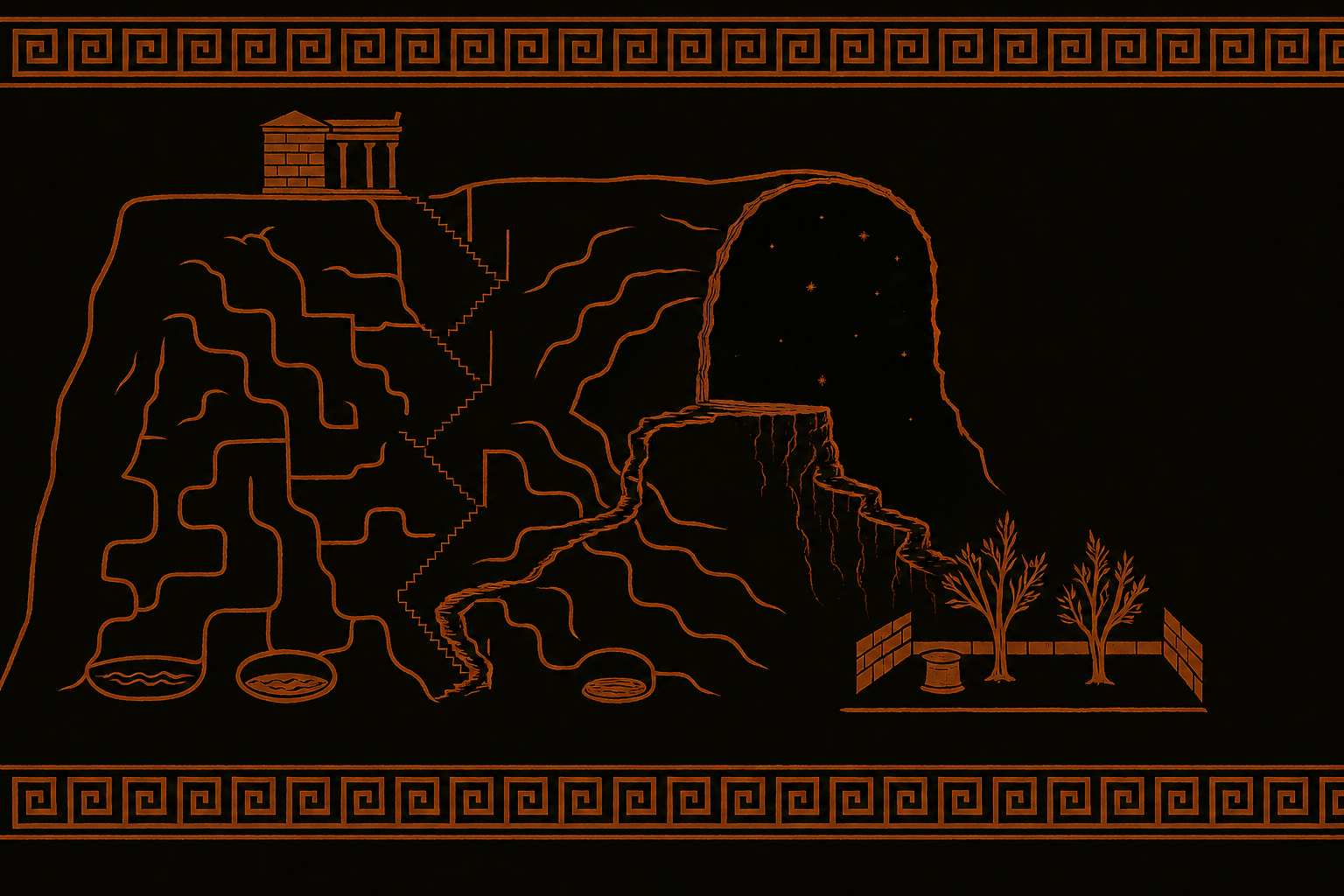
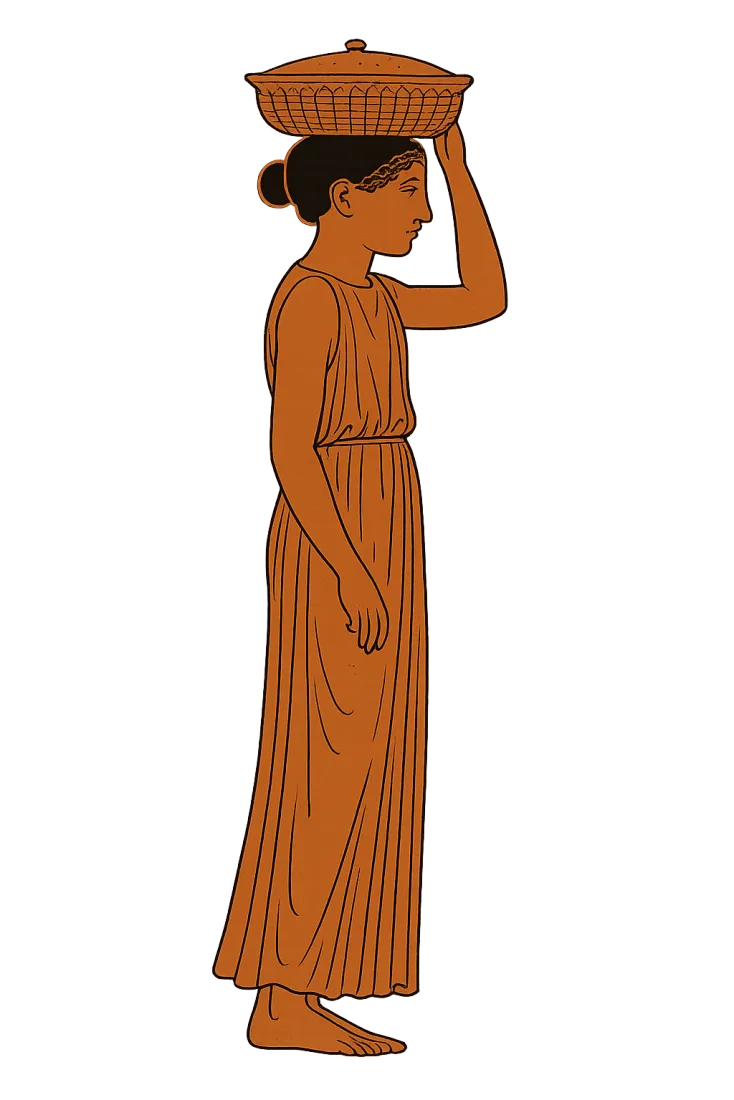
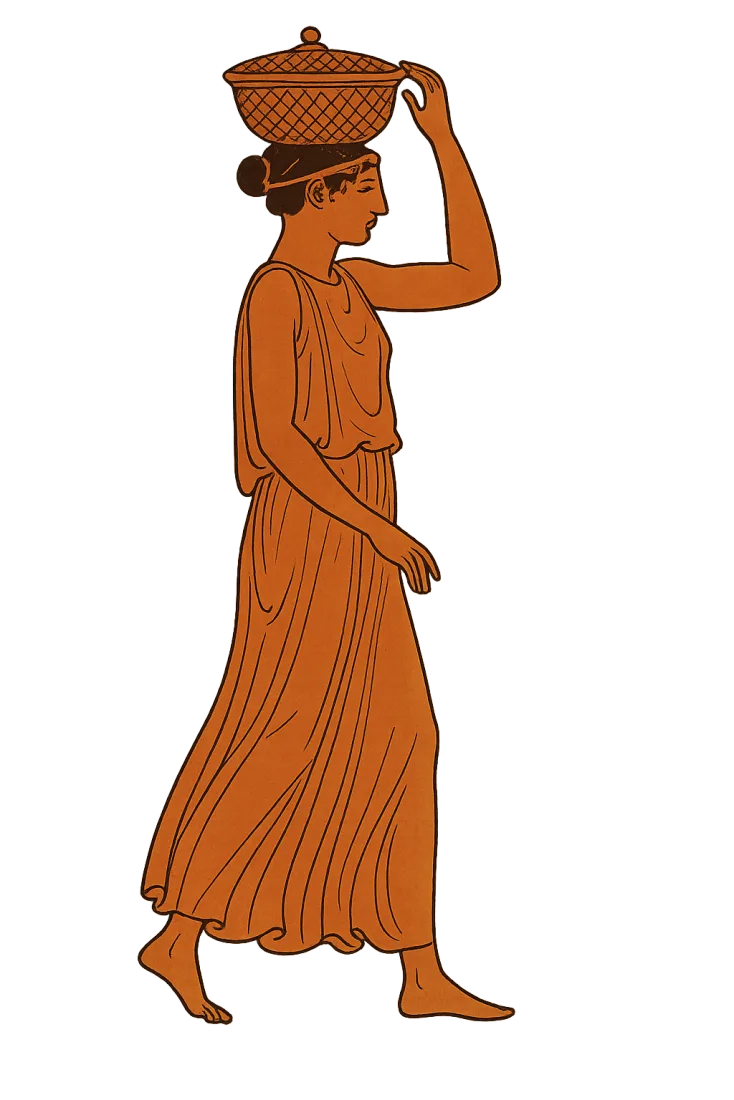
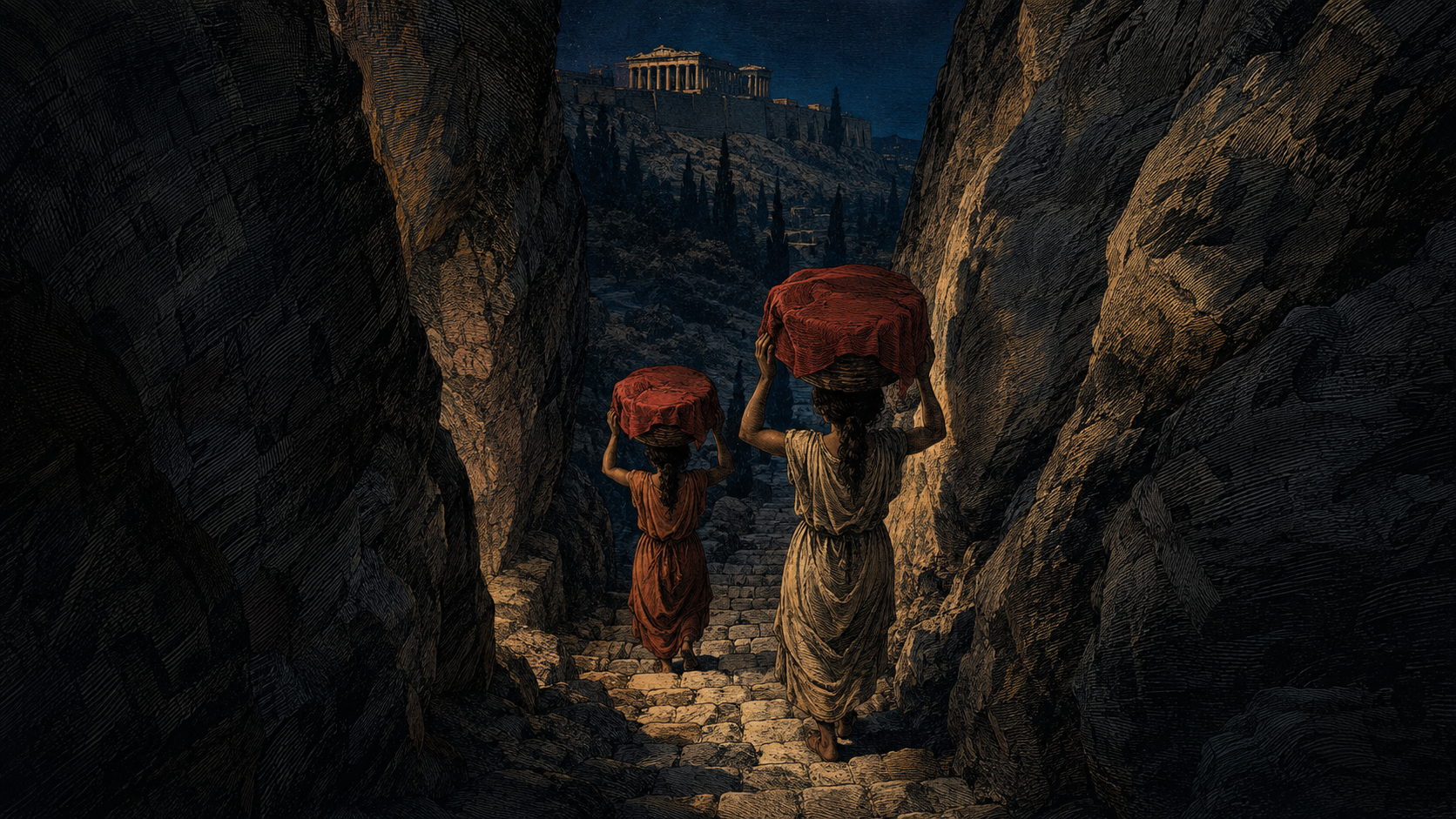
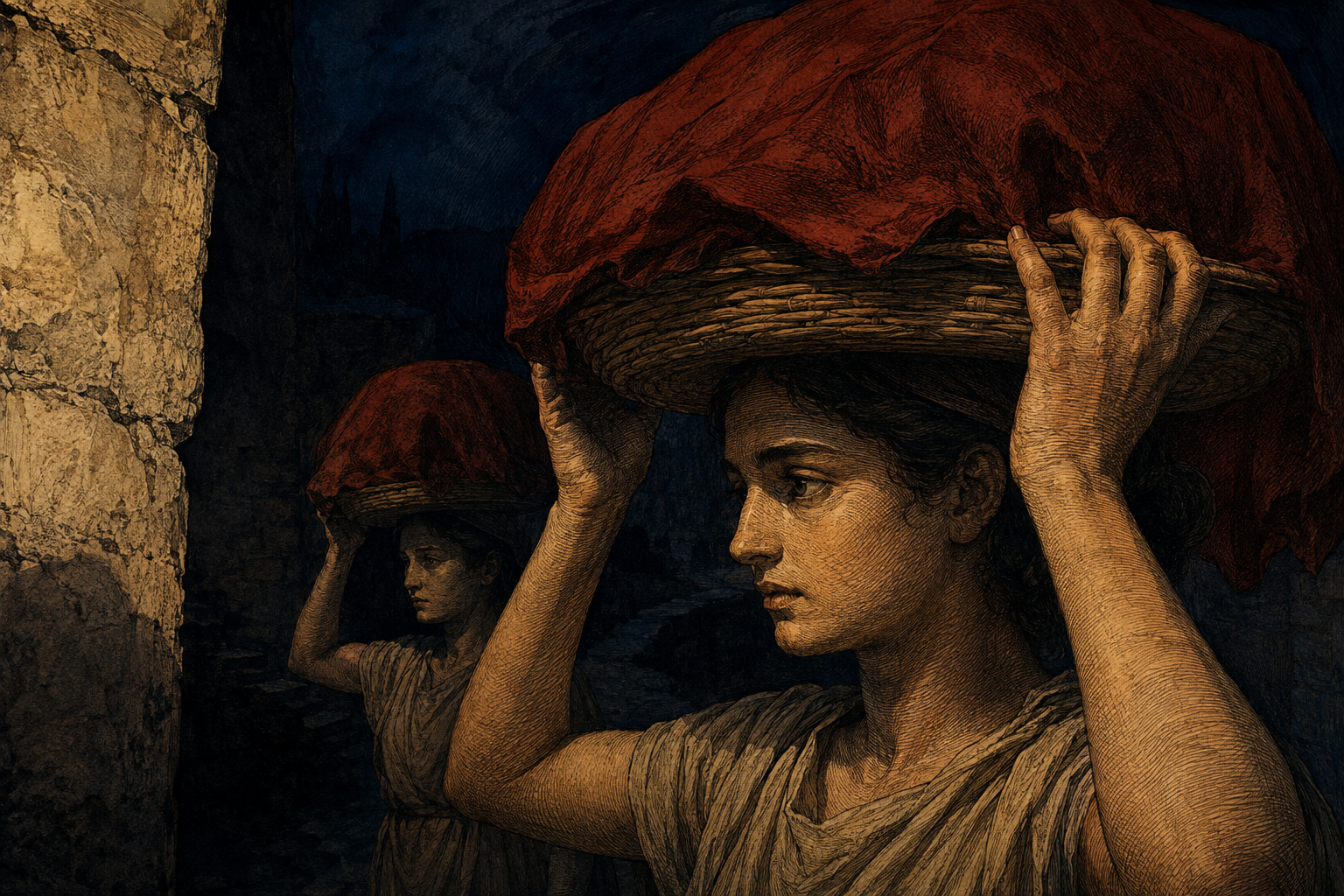
Athens, by night · the Arrhephoria
For a time,
this is their home.
Two girls live near Athena’s temple.
One night they are given a burden to carry below ground.
The descent
Neither the girls
nor the priestess knows
what is carried.
The passage, imagined
Within
the earth.
The exchange
They set down
what they were given.
They receive something else
to carry back, covered.
The ascent
Still covered.
Their service ends
Other girls
enter the same place.
A dedication on the Acropolis · a little before 103/2 BCE
Panarista.
One name the stone kept.
Her mother, Theodote, her father, Mantias, and her brothers commemorated her service as arrephoros.
The inscription does not name the burden.
The inscription, and the limits of what survivesThe second looking
A young girl
with flowers.
Her hand has not moved.
The two surviving hands at the basket
The hand that survived the cutThe surviving fragment
The Finding
of Erichthonius
Peter Paul Rubens, 1632–33
Allen Memorial Art Museum, Oberlin